


Free shipping
Shipping within 24h
30 days money back guarantee
Purchase comfortable on account
Hotline +49 800 123 454 321

Dangerous Things xHT HITAG Implant

€89.95*

Product number: 10881
Product information "Dangerous Things xHT HITAG Implant"

xHT HITAG S2048 Chip

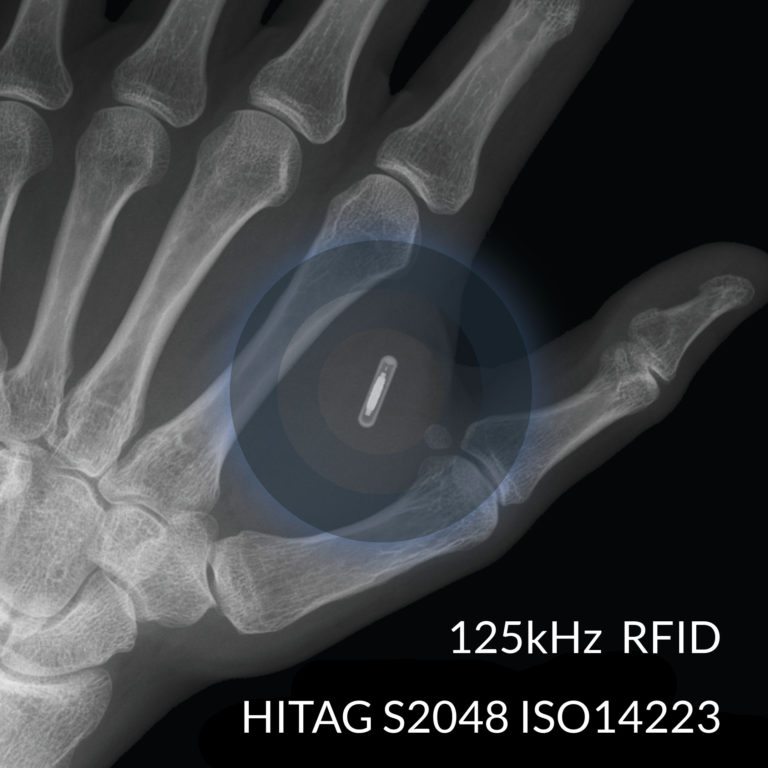
  • 125kHz HITAG S2048 ISO14223

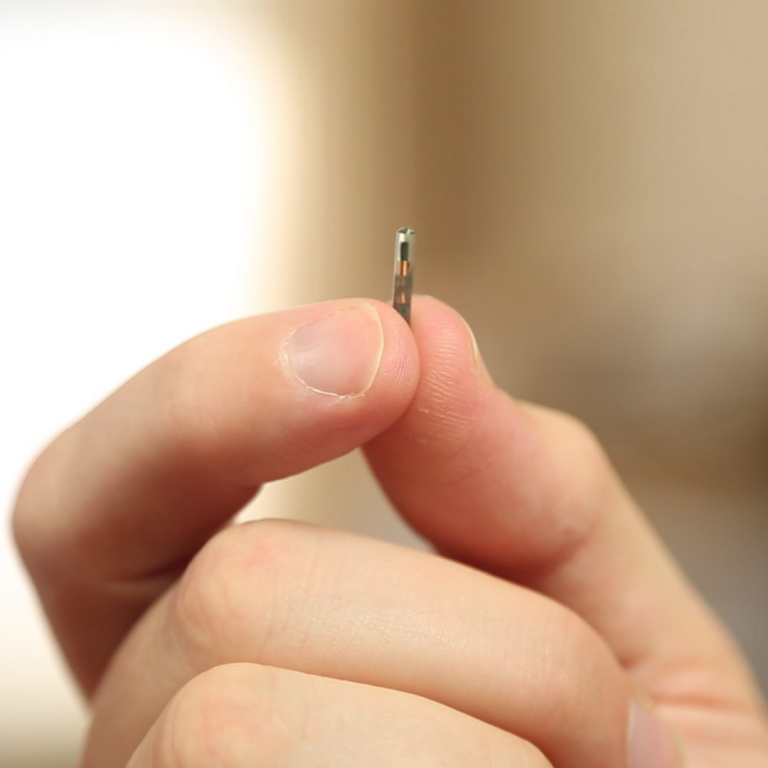
  • 2x12mm cylindrical sterile bioglass implant

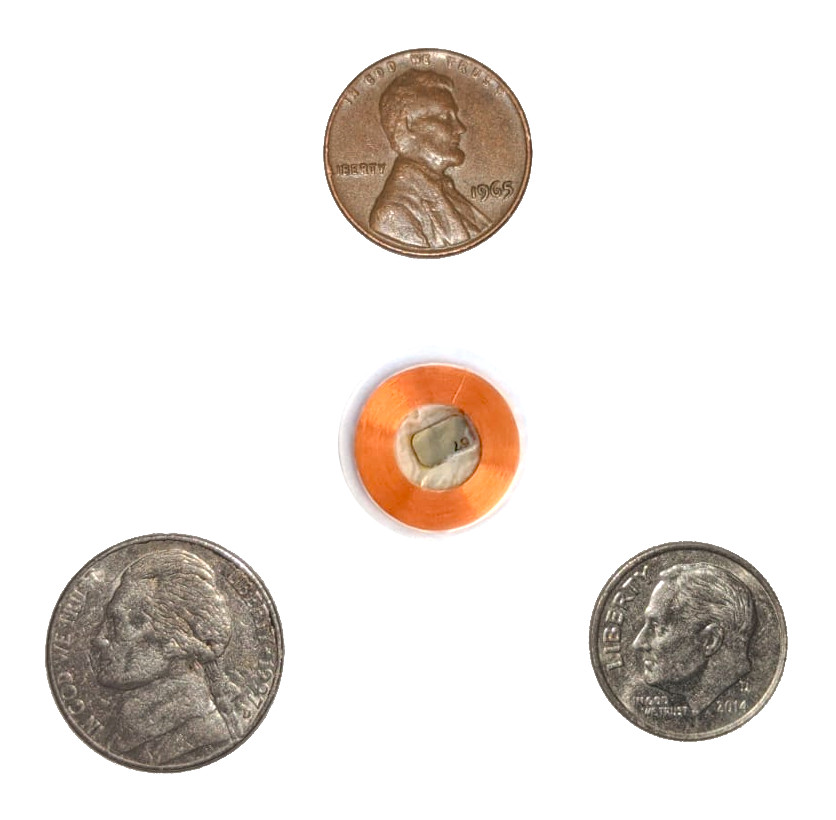
  • RFID Diagnostic Card & 125kHz X Field Detector included!

The xHT RFID chip implant is a 125kHz ISO14223 compliant transponder. It is also fully compliant to ISO 11784/85 Animal ID and ISO 18000-2 AIDC RFID management standards. It also supports a 48 bit secret key based challenge / response authentication mechanism.

The xHT also comes with some additional goodies, including an 125kHz X Field Detector, and the RFID Diagnostic Card. The RFID Diagnostic Card is a nifty little tool you can use to easily detect what frequency and duty cycle any contactless reader is operating at. What it does not do is tell you where and how to place your xHT on the reader to get the best performance. That is where the X Field Detector comes in. Place the XFD up to a 125kHz reader and begin moving over the surface of the reader while trying different rotational orientations. Once the LED inside lights up you will know that placing your xHT up to that reader in the same location and orientation will yield the best performance.


xHT Chip Specifications
  • 125kHz ISO14223 compliant HITAG S2048 RFID chipset
  • Full datasheet for the HITAG S2048 RFID/NFC chip
  • 32 bit UID and 2048 bits of user read/write memory
  • 48 bit secret key based challenge/response authentication
  • 10 year data retention. Rated for 100k writes per memory block.
  • Encased in 2.1mm by 12mm bioglass with non-toxic epoxy
  • Pre-tested and pre-loaded into sterile injection assembly
  • No “anti-migration” coating means easy removal/replacement
Properties "Dangerous Things xHT HITAG Implant"
Bauart: x-Serie
Frequenz: 125kHz RFID
Funktionen: Access Control/ open doors

0 of 0 reviews

Leave a review!

Share your experiences with other customers.


Accessory Items

Dangerous Things flexEM T5577 Implant
The flexEM is one of our next generation, high performance, 125kHz RFID transponders with a T5577 chip inside. The T5577 is an emulator that can behave like many different common low frequency chip types, including EM41xx, EM4200, HID 1326 ProxCard II, HID 1346 ProxCard III, Indala, Pyramid, Viking, AMV, Presco (and more) access cards and keyfobs. It is compatible with many inexpensive OEM and commercial low frequency RFID readers and stand-alone access controllers like our xEM Access Controller. The flexEM is coated in USP Class VI, ISO 10993 tested biopolymer which gives it an extremely thin profile and semi-flexible structure suitable for installation just about anywhere. They are shipped in small sealed plastic tubes with chlorhexidine solution. The performance and range of the flexEM vs the xEM is significant. <iframe width="560" height="315" src="https://www.youtube.com/embed/by1ZdpwEBFI" frameborder="0" allow="accelerometer; autoplay; clipboard-write; encrypted-media; gyroscope; picture-in-picture" allowfullscreen></iframe> Professional installation notes Installation of a flexEM device should always be done by a professional. Do not install under any gripping surface (e.g. no palm side installations) Do not install atop or parallel to any joints (flex devices are only “semi-flexible”) Scalpel Install Procedure Make a 20mm wide incision in skin Lift & separate dermal layer using elevator tool The subdermal “pocket” should be at least 25mm deep Remove all tools from installation site Slide flex device under skin with sterile gloves – no forceps or tools Side with chip visible should be facing up. Do not place silver backed side up. Suture to close wound – do not pierce flex device while suturing Important things to know about the flexEM – The biopolymer is ISO 10993 and USP Class IV tested and certified, however the final product has not been tested post-processing, meaning material changes during processing could render the final product unsafe in some way. – There is no “preferred” location for installation of a flex device. Customers are free to install a flex into any area of the body their installation professional is comfortable with, as long as it is in the fascia layer between dermis and muscle tissue and not in an area of flexion or under a gripping surface. Even though we use images which suggest installation above the second metacarpal of one of the fingers, it is not an ideal location for such a device. Fingers are filled with tendons, nerve bundles, and very important things all packed into a very tight space. We urge you to think about easier locations like the back of the hand or in the arm/wrist.

€99.95*